
The AirGigs Creator Report: Weekly Music Industry News & Opportunities – Week 20
Welcome to another roundup of Music Industry News!
Making the headlines this week:
Megam Thee Stallion Signs Distribution Deal – While Staying Independent

Megan Thee Stallion has announced a new distribution partnership with Universal Music Group’s Interscope Records, while continuing to release music independently through her own label, Hot Girl Productions.
Under the agreement, Megan will retain ownership of her masters and publishing rights, while gaining access to Interscope’s global distribution infrastructure. The partnership will also involve Roc Nation and follows a similar arrangement Megan previously had with Warner Music Group.
Rather than signing a traditional major-label deal, the arrangement allows Megan to maintain creative and business control while using the resources of a major music company to expand her global reach.
Why this matters for creators:
Megan’s deal reflects a much bigger shift happening across the music business: artists increasingly don’t have to choose between independence and major-label resources. Distribution partnerships, licensing arrangements and artist-services deals can give established independent artists access to global infrastructure without necessarily surrendering ownership of their recordings.
Live Nation Plans South America’s Largest Indoor Entertainment Arena
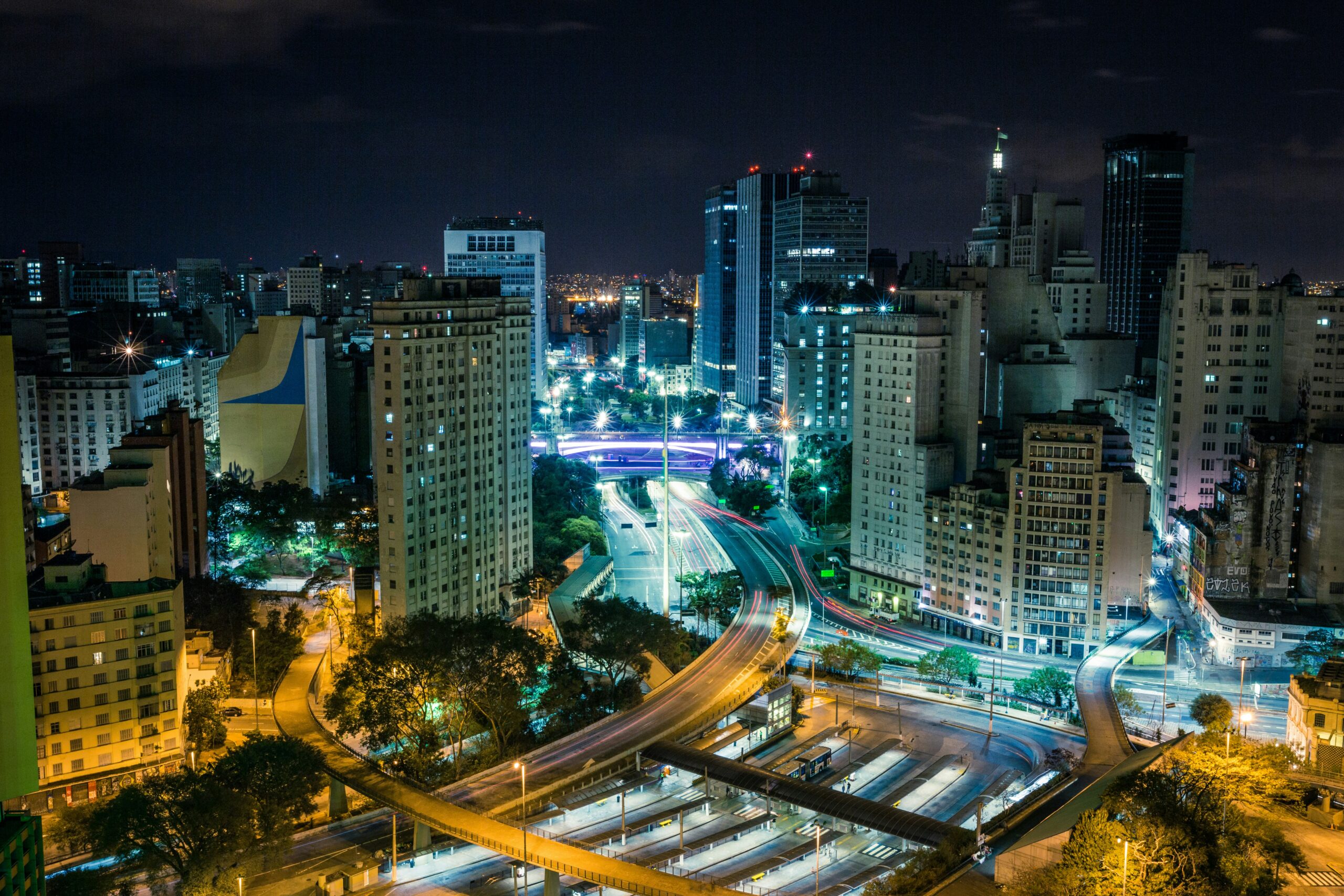
Live Nation has partnered with Brazilian developer Cidade Center Norte to build a new 21,000-capacity arena in São Paulo, which the companies say will become South America’s largest indoor venue designed specifically for live entertainment.
Construction of São Paulo Arena is expected to begin later this year, with an opening planned for 2028. The venue is targeting more than 200 concerts and sporting events annually, attracting over 2 million visitors each year.
Live Nation says the project will create around 1,800 jobs and generate more than $311 million in economic activity across Brazil during its first five years.
The venue is being designed by Live Nation’s Blueprint Studio, whose previous projects include Barclays Center in New York and Moody Center in Austin.
Why this matters for creators:
This isn’t simply another venue announcement – it’s another sign of how aggressively the live entertainment business is investing in international markets and physical infrastructure.
São Paulo is already an enormously important touring destination, but adding a purpose-built 21,000-capacity arena gives international and Brazilian artists another major stop capable of accommodating large-scale productions.
And there’s a wider creator economy surrounding those shows. More concerts mean demand not only for headline artists, but also touring musicians, opening acts, engineers, producers, technicians, crew and other music professionals.
California’s 10% Ticket Resale Cap Fails as StubHub Lobbying Hits $3.4M
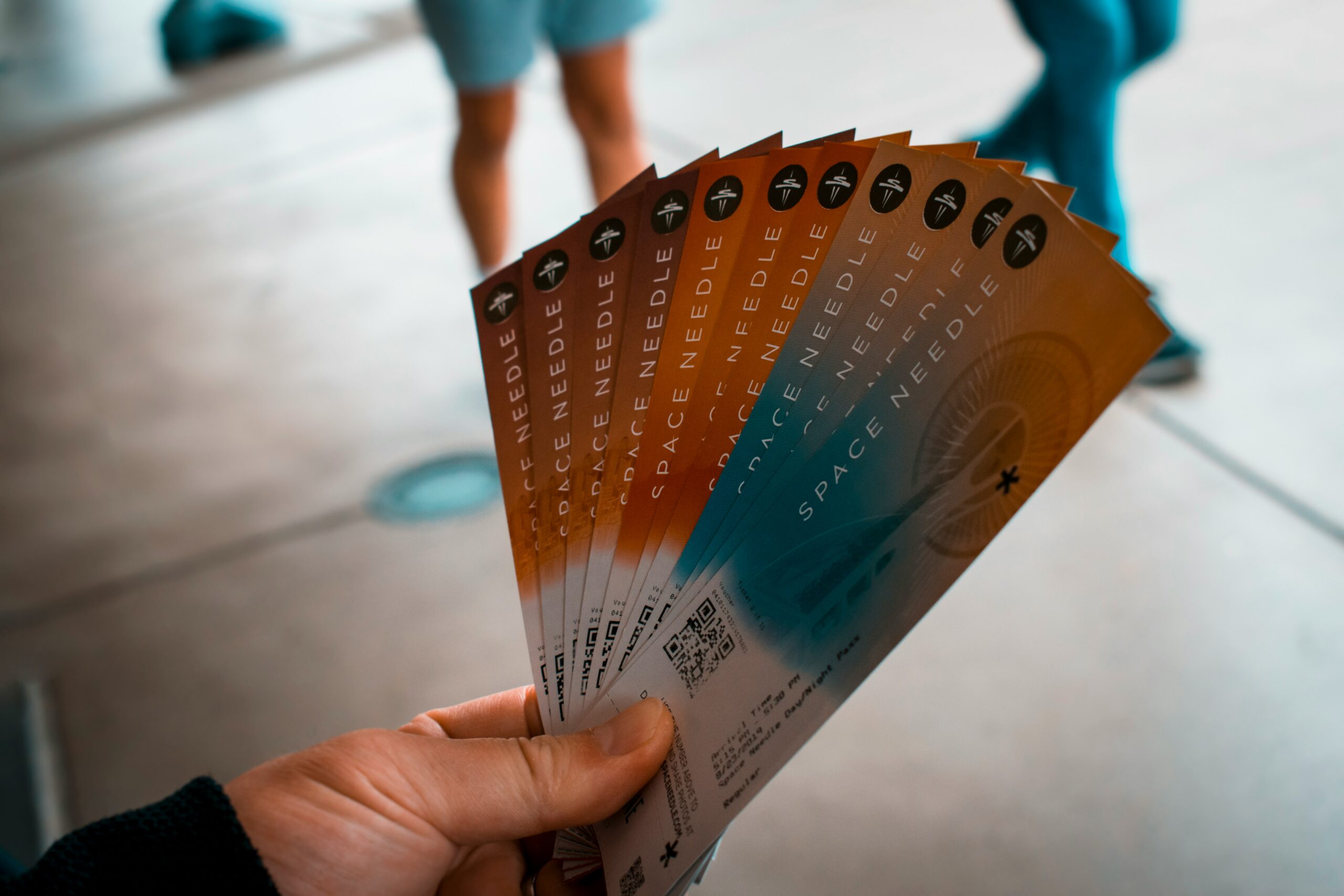
A proposed California law that would have capped ticket resale prices at 10% above face value has failed to advance during the current legislative session.
The California Fans First Act (AB 1720) was designed to tackle excessive ticket scalping by limiting resale prices and marketplace fees. The proposal had already been narrowed to primarily cover independent venues with capacities of 3,000 or fewer.
The bill was supported by organizations representing independent venues, artists and music professionals, including the National Independent Venue Association (NIVA), Music Artists Coalition and Future of Music Coalition, as well as Live Nation.
Meanwhile, StubHub, which opposed the legislation, has reportedly spent $3.4 million lobbying in California this year, including nearly $2.6 million between April and June alone.
Supporters argued that resale caps would reduce the financial incentive for professional scalpers to acquire tickets and immediately resell them at dramatically inflated prices. Opponents argued that restricting resale could reduce competition while leaving high prices and fees in the primary ticketing market untouched.
The debate isn’t over, however. A separate California bill targeting ticket bots, speculative ticket sales and deceptive ticketing websites is still progressing through the legislature.
Why this matters for creators:
Ticket pricing isn’t only a fan issue. When tickets are purchased and resold for huge markups, the artist who created the demand generally doesn’t participate in that additional resale revenue – yet inflated secondary-market prices can still affect how fans perceive the affordability of seeing that artist live.
There’s also a much bigger battle developing over who controls the live-music economy. Legislators are simultaneously wrestling with primary ticketing, resale platforms, scalpers, venue ownership and competition, while different parts of the industry argue that regulating one piece without addressing the others could actually make the market less competitive.
For independent artists and venues in particular, the outcome matters. Affordable access to shows, healthy independent venues and a ticketing system that maintains fans’ trust all ultimately affect the sustainability of live music.
Would you like to share your thoughts?
Your email address will not be published. Required fields are marked *